
Managing debt after retrenchment: five steps
19 September 2025 · Debt Review Centre
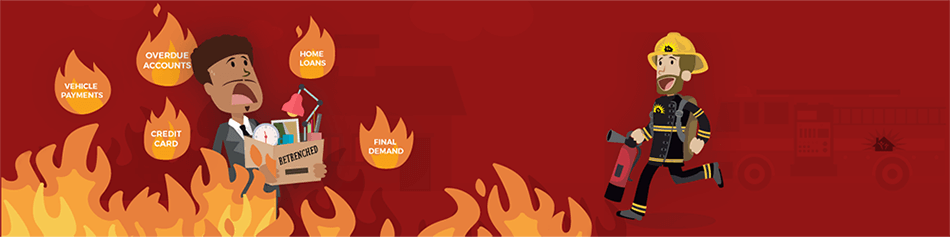
After retrenchment, start with the money available, essential expenses and payments coming due. Your debts do not disappear when employment ends, so contact the relevant people promptly and keep a record of any arrangements.
1. Rework the household budget
List cash available now, reliable household income and expected final employment payments. Keep expected money separate from amounts already received. Then list housing, food, transport, health costs and other essentials alongside debt repayments.
Use the household budget guide and affordability calculator to see the size of the shortfall. Check which optional expenses can realistically be reduced.
2. Check UIF and employment documents
If you contributed to UIF, check whether you can claim unemployment benefits and what documents are required. Ask your employer for your termination and employment records, and keep recent payslips and banking information available.
Use the government’s UIF information and the official uFiling application guidance. Confirm current requirements directly and apply promptly; do not plan essential bills around an unconfirmed payout date.
3. Contact creditors and check existing cover
Explain the income change and ask what options can be considered. Check whether an existing credit insurance policy covers your circumstances, what evidence is needed and when a claim must be submitted. Cover and exclusions depend on the policy.
Get any payment arrangement in writing. Check the dates, interest, fees and what happens when the arrangement ends. A request does not itself pause payments.
4. If you are under debt review, contact your counsellor
Send your retrenchment letter, updated budget and details of payments due to your existing counsellor. Ask how the current plan is affected and whether a revised proposal or formal relief request can be considered. The answer depends on your accounts and legal stage.
Read the emergency checklist and missed-payment guide. If you have received a Section 129 notice or later legal papers, share those promptly too.
5. Get advice before using long-term savings
Before making decisions about retirement money, settlement offers or cancelling insurance, discuss the costs and consequences with an appropriately qualified adviser. Compare immediate bills with the income and cover your household may need over the coming months.
If you have not entered debt review, an assessment can help you understand which options fit your available income. The debt counselling guide explains what that conversation should cover.
Related questions and next steps
- Speak to a registered debt counsellor
Find out what an assessment should cover and what support to ask about.
- Debt review and your job
Read about employment questions to discuss before applying.
- Debt review and marriage
Prepare questions about household finances and your marriage contract.
- Prepare your questions and documents
Use a checklist to organise the next conversation.
Income changed or work feels uncertain?
Debt stress can move quickly after retrenchment or job changes. We can help you understand whether debt review, counselling, or another debt relief option fits your situation.